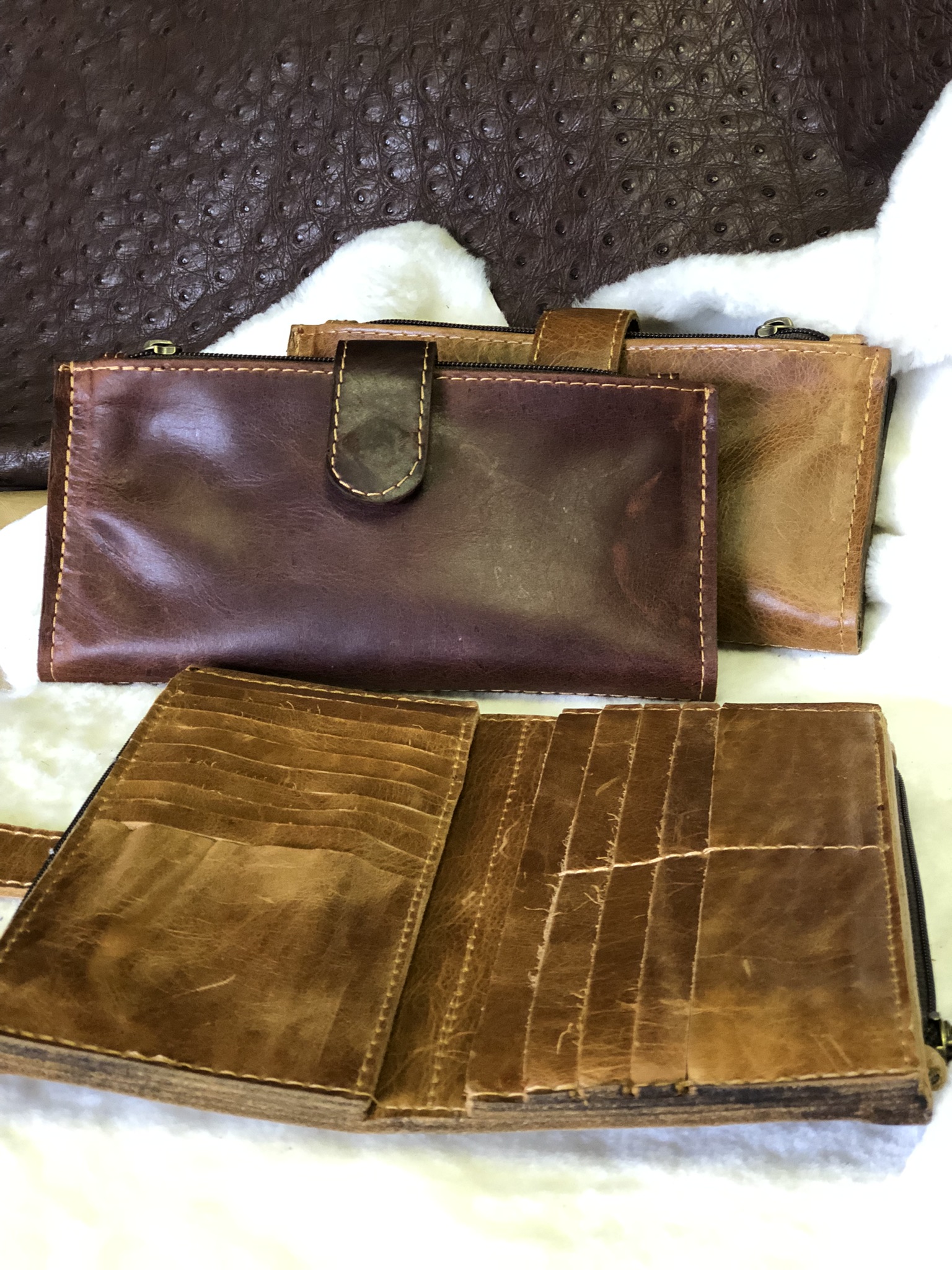
A quality leather wallet isn’t just an accessory — it’s a daily companion that holds your essentials and shapes how you carry yourself. In South Africa, where the market offers everything from mass-produced imports to handcrafted artisan pieces, knowing what separates a wallet that lasts from one that falls apart makes all the difference.
Whether you’re looking for a slim cardholder for minimalist carry or a traditional bifold with room for cash and cards, this guide breaks down what to look for in a leather wallet and why handmade South African wallets offer better value for money than factory alternatives.
What Makes a Quality Leather Wallet
Not all leather wallets are created equal. The difference between a wallet that lasts two years and one that becomes a lifelong companion comes down to three factors: leather grade, construction method, and the absence of shortcuts.
Leather grade matters most. Full-grain leather — the top layer of the hide with all its natural texture intact — contains the densest fibers and offers unmatched durability. Top-grain leather is slightly lower in quality, having been sanded to remove natural marks, but still provides good strength. Vegetable-tanned leather, treated with natural plant tannins rather than harsh chemicals, develops a rich patina over time and ages beautifully.
Construction reveals craftsmanship. Handstitched wallets hold up better than glued ones. Quality wallets use reinforced stitching at stress points and avoid skiving (thinning the leather), which maintains the material’s original strength. All-leather construction without fabric linings means fewer weak points where wear can start.
Value reflects quality. Handmade wallets from quality South African workshops represent genuine investment in craftsmanship. Items significantly cheaper than artisan pieces likely use bonded leather (leather scraps glued together) or genuine leather (a marketing term for lower-grade material).
Types of Men’s Wallets Available in South Africa
Bifold wallets remain the classic choice — folding in half with card slots on both sides and a bill compartment. They fit comfortably in a back pocket and offer a good balance of capacity and compactness.
Slim cardholders have gained popularity among minimalists. These flat designs hold 4-8 cards and folded notes, slipping easily into a front pocket. Perfect if you’ve gone mostly cashless.
Traditional long wallets provide maximum organization with room for cards, cash, receipts, and even a phone. They require a bag or jacket pocket but offer unmatched capacity.
Handmade vs Factory Leather Wallets
The gap between a handmade South African wallet and a factory import shows up quickly in daily use.
Factory wallets prioritize speed and cost-cutting. They often use top-grain or genuine leather with fabric linings that can tear, skived edges that wear thin, and heat-sealed seams that eventually separate. The leather itself may look good initially but lacks the fiber density to develop character over time.
Handmade wallets from small-batch producers take a different approach. Workshops like The Oldfangled Leather Co in Worcester craft each wallet from full-grain or vegetable-tanned leather sourced from local South African tanneries. No fabric linings mean no weak points. No skiving means the leather maintains its full thickness and strength. Each stitch is intentional, each edge is hot-creased for that distinctive rugged finish.
The result: a wallet that softens with use, darkens into a unique patina, and repairs easily if needed — rather than one destined for a landfill in two years.
What to Look for When Buying
Check the leather type. Ask specifically whether it’s full-grain, top-grain, or genuine. If the seller can’t or won’t say, that’s a red flag. Quality makers are proud to specify their materials.
Examine the stitching. Look for even, tight stitching with no loose threads. Reinforced corners show attention to stress points. Avoid wallets where stitching looks rushed or uneven.
Feel the edges. Quality wallets have finished edges. Some makers use burnished edges (polished smooth), while others hot-crease for a rugged aesthetic. Both indicate hand-finishing rather than raw cut edges.
Test the fold. A good wallet should fold smoothly without excessive resistance or buckling. Stiffness is normal in new vegetable-tanned leather — it softens with a week of use.
Ask about origin. South African-made wallets support local tanneries and craftspeople while ensuring you can verify quality. Imported wallets make claims harder to confirm.
Understanding Wallet Value
When evaluating leather wallets, consider the full picture rather than just initial cost.
Entry-level handmade wallets offer simple cardholders or basic bifolds with 4-6 card slots. Full-grain or veg-tan leather from local tanneries. Honest construction without frills. A solid choice for everyday carry.
Premium bifolds provide more card slots (6-10), reinforced stitching, carefully finished edges. Often include features like hidden pockets. This range offers excellent balance of quality and functionality for most buyers.
Full-featured wallets deliver maximum capacity with 10+ card slots, multiple bill compartments, and coin pockets. Thicker leather, more complex construction. Built for those who carry everything and want it organized.
The key is focusing on value for money — what you’re getting for your investment — rather than simply buying the cheapest option available.
Care Tips for Long-Lasting Wallets
South Africa’s climate — hot, dry, and dusty — demands specific leather care.
Dust regularly. Wipe your wallet with a soft dry cloth weekly to prevent grit from embedding in the leather and acting like sandpaper.
Condition periodically. Use a quality leather conditioner formulated for South African conditions. Products like Hanitan are specifically designed for our climate and prevent cracking.
Avoid water when possible. If your wallet gets wet, pat it dry with a cloth and let it air-dry naturally — never use direct heat.
Keep it out of direct sun. UV exposure fades color and dries out leather. Don’t leave your wallet on a dashboard or windowsill.
Rotate if you can. Having two wallets and alternating them extends the life of both by allowing the leather to rest.
Where to Buy Quality Leather Wallets in South Africa
Local artisan workshops offer the best combination of quality, customization, and supporting South African craftspeople. The Oldfangled Leather Co in Worcester handcrafts wallets from full-grain and vegetable-tanned leather sourced from local tanneries, with a lifetime workmanship guarantee. You can visit their workshop by appointment (Monday, Tuesday, Friday 9am-5pm) to see the process firsthand.
Online marketplaces provide convenience but make quality verification harder. Look for detailed material descriptions and clear return policies.
Craft markets in Cape Town and the Winelands showcase local leatherworkers. You can inspect the work in person and often meet the maker.
Why Invest in a Quality Wallet
The value equation is straightforward: a well-made handmade wallet that lasts 10-15 years represents far better value for money than repeatedly buying cheaper factory wallets every two years. Beyond economics, there’s something satisfying about carrying a well-made object that improves with age.
Quality leather wallets develop character. The patina that forms from handling, the way the leather molds to your pocket, the small scuffs that tell your story — these aren’t flaws, they’re proof of a life lived. Factory wallets just look worn out. Handmade wallets look lived-in.
Final Recommendations
For most men, a handmade bifold offers the best value for money. Look for full-grain or vegetable-tanned leather from a South African maker who stands behind their work. Check the stitching quality, ask about the leather source, and choose something that feels right in your hand.
If you prefer minimal carry, a slim cardholder makes perfect sense. You’ll still get quality leather and construction, just in a more compact package.
For maximum organization, invest in a full-featured wallet from a maker who uses all-leather construction with no fabric linings. The investment buys durability and longevity.
Whatever you choose, remember: the best wallet is one you’ll still be using in a decade.
Ready to find your next wallet? Browse handcrafted options at The Oldfangled Leather Co or visit the Worcester workshop to see the craftsmanship up close.
